10 Gorgeous Wabi Sabi Interior Ideas You’ll Want to Copy
You have been chasing the perfect home for too long. The perfectly matched cushions, the spotless surfaces, the everything-in-its-place pressure that makes your home feel more like a showroom than a sanctuary. What if imperfection was actually the most beautiful thing of all? Wabi sabi interior design is a Japanese philosophy that finds deep beauty in the natural, the worn, and the wonderfully imperfect. It is warm, calming, and honestly the most human way to decorate your home.
Limewash Walls for a Soft Textured Backdrop

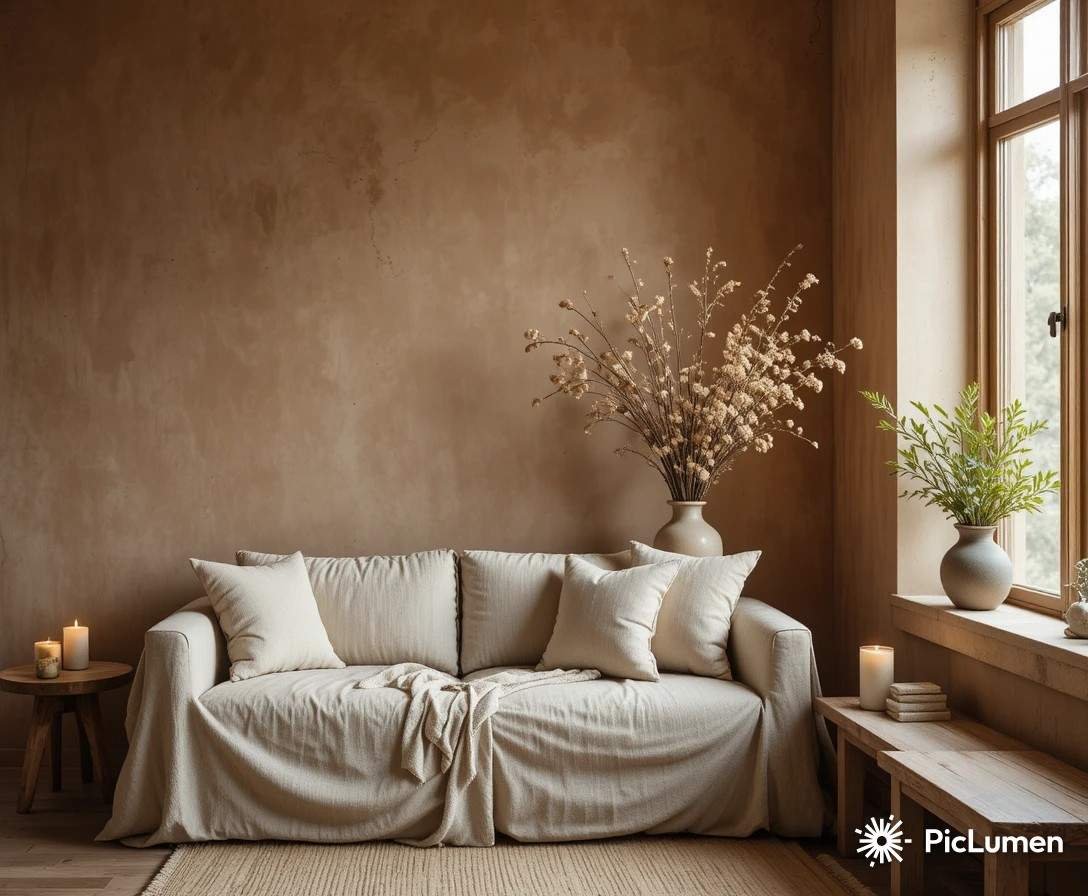
Limewash paint applied to your walls creates a beautifully uneven, mottled finish that looks like it has been there for centuries in the most wonderful way. The natural variation in tone gives walls depth, warmth, and a living quality that flat paint simply cannot achieve.
Choose soft warm whites, dusty clay, or muted sage green tones for an authentic wabi sabi feeling. The slightly rough texture catches light differently throughout the day creating a wall that genuinely feels alive and endlessly interesting.
Tip: Apply limewash paint with a large natural bristle brush using crosshatch strokes for the most authentic uneven finish.
Handmade Ceramic Vases and Bowls as Decor

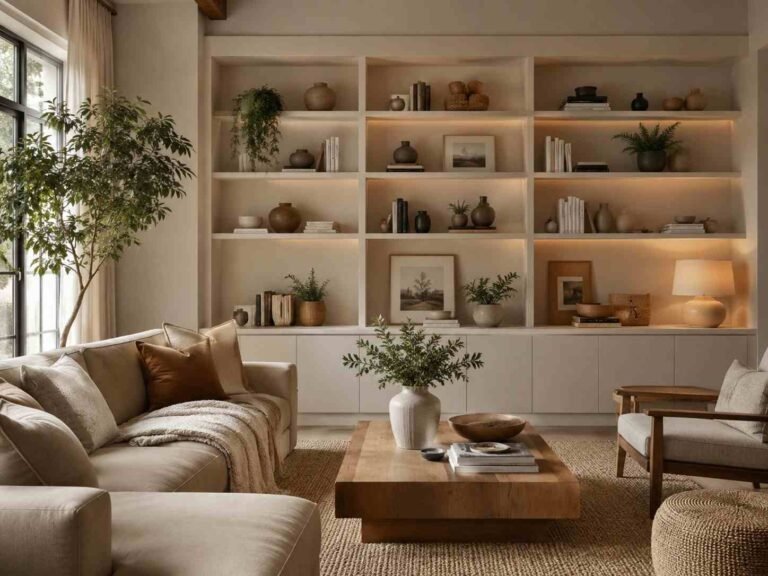
Imperfect handmade ceramics are the soul of a wabi sabi home. Look for pieces with uneven rims, subtle thumb marks, irregular glazing in earthy taupes, soft creams, ash greys, and warm terracotta tones that celebrate the human hand behind them.
Group three pieces of varying heights on a windowsill or shelf and let them simply exist without overthinking the arrangement. The slight imperfections in each piece tell a story and create a warmth that mass produced perfectly shaped objects never can.
Tip: Shop local pottery markets or small ceramic artists on Etsy for genuinely handmade imperfect pieces at accessible prices.
See More Ideas: 11 Stunning Living Room Designs Cottage Core
Natural Linen and Raw Textiles Throughout the Home

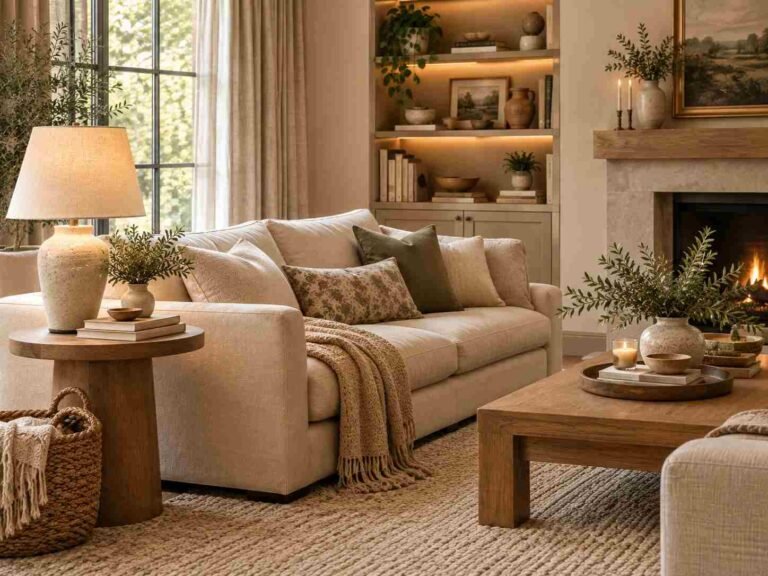
Linen is the ultimate wabi sabi fabric. Slightly wrinkled, beautifully textured, and only getting better with every wash, raw linen in oatmeal, warm white, or faded sage brings an effortless softness to any room without ever trying too hard.
Use linen for curtains, cushion covers, throws, and bedding. Let it wrinkle naturally rather than ironing it flat. The creases and texture are not flaws to fix but rather the whole beautiful point of choosing this honest and natural material.
Tip: Wash linen in cool water and air dry naturally to develop that beautifully soft relaxed texture over time.
Wabi Sabi Interior With Weathered Wood Accents

Weathered, reclaimed, and naturally aged wood is one of the most powerful elements of a wabi sabi interior. A driftwood side table, reclaimed beam shelf, or worn wooden stool brings authentic age and texture into your space that no new furniture can replicate.
The silvery greys, warm honeys, and natural grain variations of weathered wood add layers of visual interest and genuine character. Each mark and imperfection in the wood carries a history that makes your room feel grounded, real, and beautifully time-worn.
Tip: Look for reclaimed wood furniture at salvage yards, antique markets, and second-hand shops for the most authentic aged pieces.
Dried Botanicals and Organic Nature Arrangements

Dried flowers, seed pods, pampas grass, eucalyptus branches, and bare twigs arranged in a simple ceramic vase or woven basket are pure wabi sabi poetry. They celebrate the natural cycle of growth and decay without apology or pretense.
Unlike fresh flowers that demand constant replacing, dried botanicals age gracefully and become more beautiful as weeks pass. The muted dusty pinks, warm tans, deep burgundies, and soft creams of dried arrangements feel genuinely organic and completely at home in a wabi sabi space.
Tip: Hang bundles of dried lavender or eucalyptus upside down for two weeks before arranging to preserve their shape and color beautifully.
Soft Muted Earthy Color Palette

A wabi sabi color palette is quiet, grounded, and completely free from harsh bright tones. Think warm mushroom brown, dusty sage, faded terracotta, soft chalk white, and muted stone grey layered together in a way that feels completely natural and deeply calming.
These colors work because they mimic what you find in nature on a quiet autumn walk. Nothing competes, nothing shouts, and everything simply coexists in a gentle harmonious way that makes your whole body relax the moment you enter the room.
Tip: Test paint colors in natural daylight at different times of day before committing as earthy muted tones shift beautifully with changing light.
Candlelight and Soft Warm Lighting Only

Wabi sabi spaces never use harsh overhead lighting. Soft candlelight, warm Edison bulbs, paper lanterns, and low table lamps create gentle pools of golden light that make every imperfect surface look impossibly beautiful and deeply inviting.
The flickering warmth of candles in particular connects us to something ancient and deeply human. It slows the room down, softens every edge, and creates an atmosphere of genuine peace that no bright ceiling light could ever come close to achieving.
Tip: Use beeswax candles in natural cream tones rather than bright white for the warmest most authentic wabi sabi glow.
Kintsugi Inspired Objects and Visible Repairs

Kintsugi is the Japanese art of repairing broken objects with gold and it is one of the most beautiful expressions of wabi sabi philosophy you can bring into your home. A cracked bowl repaired with gold lacquer, a chipped vase filled anyway, a worn table left unrestored.
These objects tell real stories of use, time, and resilience that brand new perfect things simply cannot. Displaying visibly repaired or intentionally imperfect objects in your home sends a powerful and deeply comforting message that broken things are still worthy of beauty and belonging.
Tip: Try a kintsugi repair kit on a chipped ceramic mug or bowl at home for a meaningful and beautiful weekend project.
See More Ideas: 13 Amazing Farmhouse Living Room Ideas to Inspire You
Woven Baskets and Natural Fiber Textures

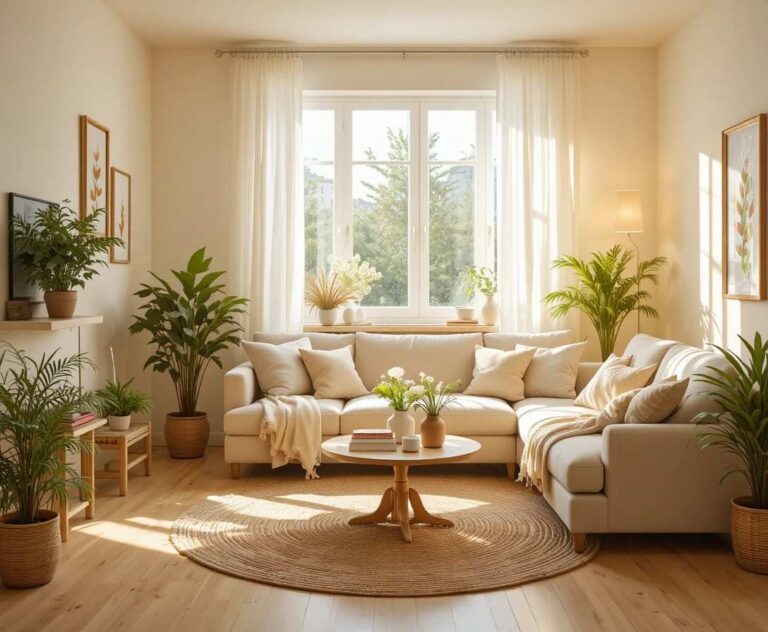
Woven rattan, seagrass, jute, and bamboo baskets and accessories bring layers of honest natural texture into a wabi sabi home that feels completely authentic and beautifully grounded. The irregular weave patterns and natural color variations are exactly what this philosophy celebrates.
Use large woven baskets on the floor beside sofas, hang woven wall art in natural tan tones, and place smaller baskets on shelves as storage. Every imperfect weave and natural fiber adds warmth, depth, and that wonderful sense of the handmade that a wabi sabi space truly needs.
Tip: Mix different weave sizes and basket shapes together rather than matching sets for a more natural collected feel.
Wabi Sabi Interior With Negative Space and Stillness

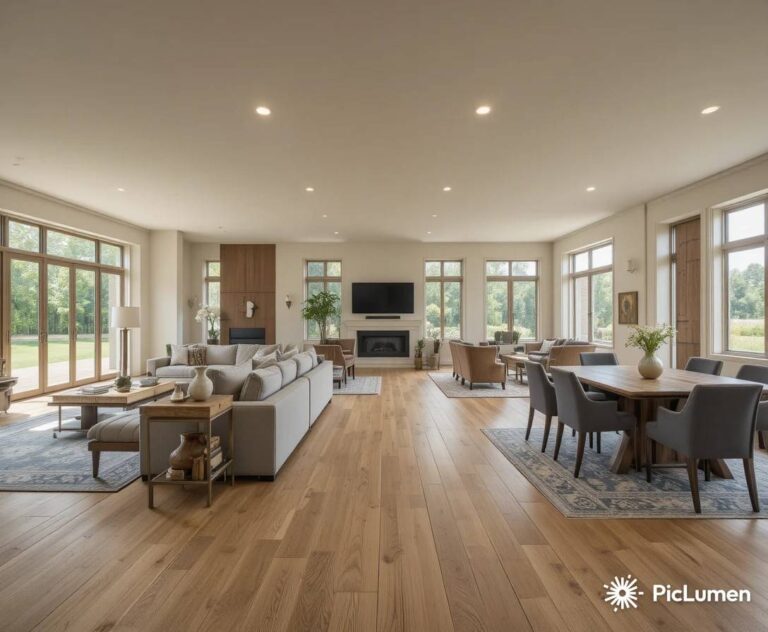
Perhaps the most important element of a wabi sabi interior is what you choose not to put in the room. Empty corners, bare walls, breathing space between objects, and areas of pure visual stillness are just as intentional and beautiful as anything you place there.
Resist the urge to fill every surface and every wall. Let a single ceramic piece sit alone on a shelf. Let a windowsill hold just one small plant and nothing else. The space around objects gives them meaning and allows the whole room to exhale and feel genuinely at peace.
Tip: Remove half the decorative objects from one room this weekend and notice how immediately calm and intentional the space begins to feel.
Conclusion
Your home does not need to be perfect to be beautiful. It needs to be honest, warm, and genuinely yours. Whether you start with a set of handmade ceramics, a bundle of dried botanicals, a coat of limewash paint, or simply by removing things that do not bring you peace, every small step toward wabi sabi living matters deeply. This wabi sabi interior philosophy is not about decorating. It is about choosing to see beauty in the real, the worn, the quiet, and the wonderfully imperfect life you are already living right now.